
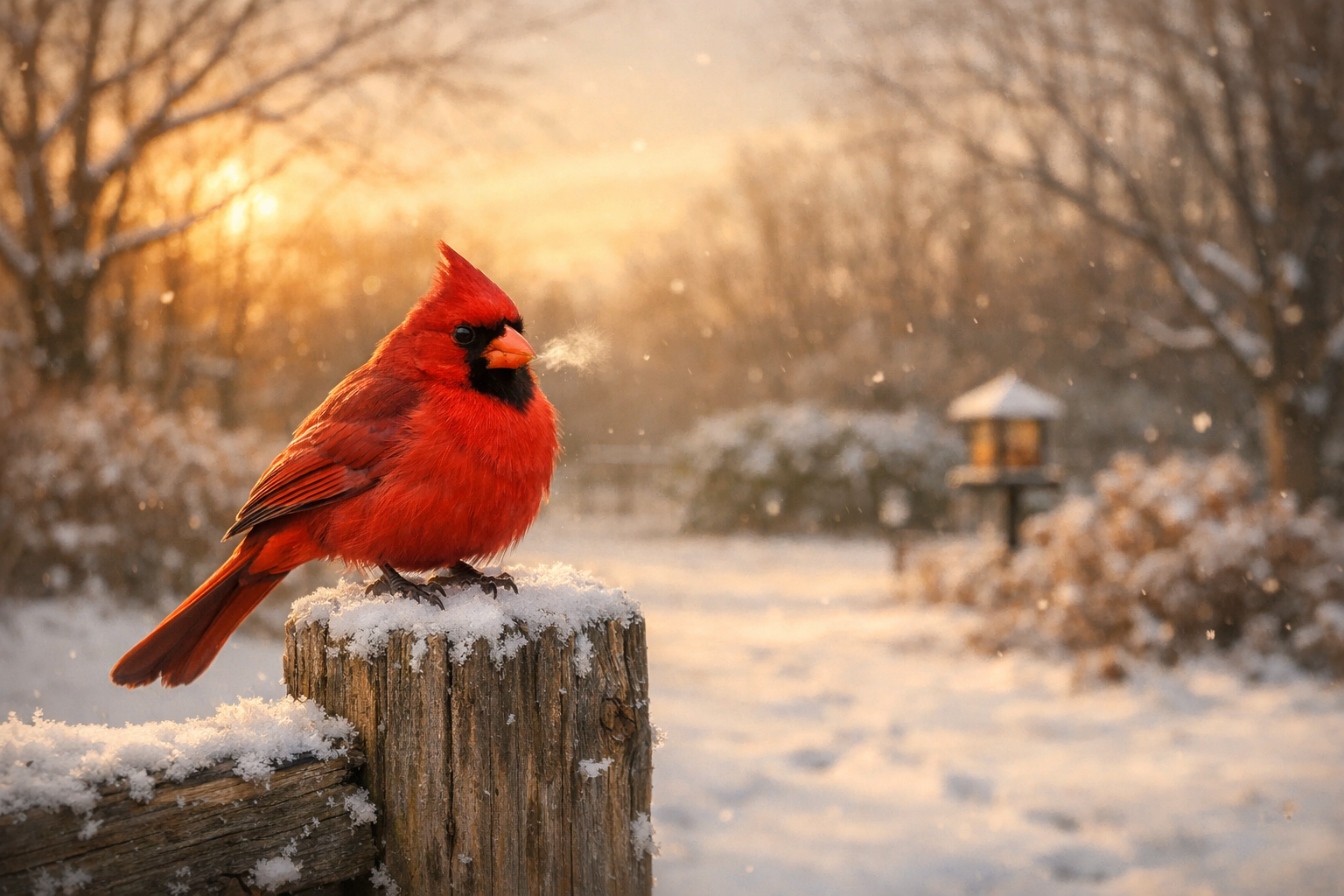
Discover what it means when a cardinal visits your yard—symbolism, seasonal behavior, and simple ways to attract cardinals safely with feeders and plants.You step outside, coffee in hand, and there it is—a bright red cardinal perched like a tiny flame against the winter branches. It feels personal, almost like the bird showed up just for you.So, what does it mean when a cardinal visits your yard?
Some people see cardinals as a sign of hope or comfort. Others are simply curious about the bird’s behavior—why it’s there, what season it prefers, and whether it will come back. In this guide, we’ll explore both sides: the cultural symbolism people associate with cardinals and the real, practical reasons cardinals visit backyards. You’ll also learn easy, ways to attract them with bird feeders, cardinal-friendly plants, and a few smart backyard upgrades Discover what it means when a cardinal visits your yard—symbolism, seasonal behavior, and simple ways to attract cardinals safely with feeders and plants.
What It Means When a Cardinal Visits Your Yard
A cardinal visit can mean different things depending on what you’re looking for:
- A symbolic message (comfort, renewal, love, remembrance)
- A seasonal pattern (winter visibility, early nesting behavior)
- A practical opportunity (your yard offers food, water, shelter, or safety)
The best answer often combines both: cardinals are meaningful to many people and they’re responding to a habitat that meets their needs.
Cardinal Symbolism: Why People Notice This Bird
Cardinals stand out. Their vivid color, steady presence, and bold song make them feel like more than “just another backyard bird.”
Common spiritual and cultural meanings
Many traditions and personal beliefs interpret a cardinal visit as:
- A reminder of hope during a difficult season
- A symbol of love and loyalty, because cardinals often appear as pairs
- A sign of renewal, especially around late winter and early spring
- A comforting moment of remembrance, especially after a loss
It’s important to keep this grounded: symbolism is personal. The bird isn’t delivering guaranteed messages—yet the experience can still be deeply comforting and meaningful.
Why the color red feels so powerful
Bright red is associated with:
- Warmth during cold seasons
- Energy and life
- Visibility and “pay attention” moments
That color alone is enough to make a cardinal sighting feel like a special event, even for people who don’t normally watch birds.
The Practical Meaning: Why Cardinals Visit Backyards
Cardinals don’t visit randomly. They come because your yard offers something useful.
1) Food is available (especially in winter)
In colder months, natural food sources can be harder to find. If your yard has:
- A reliable bird feeder station
- Seed-bearing plants
- Fallen berries
- Leaf litter with insects
cardinals may return daily.
2) Your yard offers shelter and safety
Cardinals prefer areas with:
- Dense shrubs
- Low tree branches
- Thick hedges or evergreens
They like quick escape routes from predators. If your yard has good cover, it becomes a comfortable “base.”
3) Water is nearby
A clean water source is a huge draw. A simple birdbath can turn a yard into a daily stop—especially if the water is fresh.
4) Territory behavior (especially males)
Male cardinals can be territorial. Sometimes a “visit” is actually a patrol. If you see a cardinal repeatedly at the same time each day, it may be claiming an area.
5) Reflection confusion at windows
If a cardinal taps or flutters at your window, it may be reacting to its reflection, thinking it’s a rival bird. It’s common during breeding season.
Seasonal Clues: What a Cardinal Visit Might Mean by Month
Cardinal behavior shifts through the year. Here’s what their timing can suggest.
Winter (Dec–Feb): Food and visibility
Cardinals often look more “present” in winter because leaves are gone. They may also flock loosely around food sources.
What it likely means: your yard has reliable seed, shelter, or both.
Early spring (Mar–Apr): Pairing and nesting setup
This is when you may see male-and-female pairs more often.
What it likely means: your yard offers safe nesting cover and nearby food.
Summer (May–Aug): Quieter visits
In hot months, birds can be less obvious. They’ll still visit, but often in early morning or late evening.
What it likely means: water and shade matter most.
Fall (Sep–Nov): Routine feeding returns
As natural food changes, feeders become more attractive again.
What it likely means: consistent feeding brings repeat visitors.
Is a Cardinal Visit “Good Luck”?
Many people consider it good luck because it feels like a bright moment—especially during tough times. But a more practical way to frame it is this:
- If you’re feeling down, a cardinal can be a positive anchor—a reminder to step outside, breathe, and notice something alive and beautiful.
- If you love nature, it can be a signal that your yard habitat is working.
Either way, it’s a “good” thing in the sense that it encourages connection—connection to nature, to memory, or to daily routines that bring calm.
How to Attract Cardinals to Your Yard (Simple, Safe Steps)
If you want more cardinal visits, focus on the basics: food, water, shelter, and low stress.
Choose the right feeder setup
Cardinals prefer feeders that feel stable and easy to access.
Good options:
- Platform feeders
- Hopper feeders
- Tray feeders near shrubs
Tip: Place the feeder 8–12 feet from dense cover so the bird can retreat quickly.
Offer cardinal-favorite foods
Cardinals are seed lovers.
Best choices:
- Black oil sunflower seed
- Sunflower hearts/chips
- Safflower seed (often less attractive to some nuisance birds)
- Cracked corn (in moderation)
If you’re trying to create a strong “return habit,” keep the feeder consistent—same location, same refill schedule.
Add a birdbath (and keep it clean)
Water is often the missing piece. Even a small birdbath helps.
Easy upgrades:
- A dripper or small fountain attachment
- A flat rock in shallow water for secure footing
- A heated birdbath in cold climates (if relevant to your area)
Plant cardinal-friendly shrubs and trees
Cardinals love protective cover and natural food.
Backyard plants that help (general examples):
- Dense hedges
- Native shrubs with berries
- Evergreens for winter cover
If you’re unsure what’s native in your region, choose hardy shrubs that provide thick branching and seasonal berries.
Reduce hazards that scare birds away
A yard that feels safe gets more visits.
- Keep cats indoors (or supervised)
- Avoid harsh chemical pesticides
- Add window strike prevention if needed
- Provide quiet cover away from heavy foot traffic
What If a Cardinal Keeps Coming Back Every Day?
A repeat visitor usually means:
- Your yard has a dependable resource (seed or water).
- The bird feels safe and familiar there.
- It may be part of the bird’s daily route or territory.
To encourage repeat visits:
- Refill the feeder before it goes empty
- Keep the water fresh
- Maintain shrubs and cover through winter trimming cycles
- Don’t rearrange everything at once—small changes are better
So, what does it mean when a cardinal visits your yard?
Most often, it means your yard is offering something valuable: food, water, shelter, or a safe resting spot—especially during colder months. For many people, it also carries a deeper meaning: hope, love, renewal, or a comforting reminder to stay connected to what matters.
If you want more visits, keep it simple: set up a stable feeder, offer sunflower or safflower seed, add clean water, and provide dense cover. And if the sighting feels special to you, let it be special—sometimes the best meaning is the one that helps you slow down and notice the beauty right outside your door.
If you’ve had a memorable cardinal visit, share what happened in the comments—when did you see it, and what was the moment like?
FAQ: Cardinal Visits to Your Yard
1) What does it mean when a cardinal visits your yard every day?
It usually means your yard provides reliable food, water, or shelter. Cardinals return to places that feel safe and predictable.
2) Is seeing a cardinal a sign of good luck?
Many people believe so, but there’s no scientific “luck” proof. Still, the moment can be uplifting and meaningful, especially during hard times.
3) Why is a cardinal tapping on my window?
It may be reacting to its reflection, seeing it as a rival. Use simple window strike solutions like decals, exterior screens, or anti-reflective coverings.
4) What food attracts cardinals the most?
Black oil sunflower seed, sunflower hearts, and safflower seed are top choices. Platform or hopper feeders work well.
5) Do cardinals stay in the same area year-round?
In many regions they do, but local behavior depends on climate and food availability. Consistent feeders and cover encourage year-round visits.